Yarn for Crochet
How to Choose the Right Fiber for Your Project
Why Yarn Choice Matters
Not all yarn behaves the same way.
Some fibers are soft and stretchy. Some are durable and structured. Some are cozy and warm, while others are cool and breathable. The best yarn for crochet depends on what you are making, how often it will be used, how it should feel, and how much care you want it to require.
If you have ever wondered:
- Should I use acrylic or cotton?
- Is wool good for crochet?
- What yarn is best for plushies?
- Which yarn works best for garments?
You are in the right place.
This guide breaks down the most common yarn fibers so you can choose with more confidence.
The Main Types of Yarn for Crochet
The most common yarn fibers crocheters should know
The Yarn Over Hook fiber guide groups yarn into several major categories: synthetic, plant-based, animal/protein-based, novelty, and blends.
Synthetic yarns
Acrylic yarn
Why crocheters use it:
- Acrylic is soft, affordable, durable, widely available, and machine washable.
Things to consider:
- It is not very breathable and comes with environmental concerns.
Great for:
- Plushies, garments, and frequently used crochet items.
Nylon
Why crocheters use it:
- Nylon is lightweight and durable.
Things to consider:
- It is not breathable and also raises environmental concerns.
Great for:
- High-use garments like socks.
Plant-based yarns
Cotton yarn
Why crocheters use it:
- Cotton is durable, soft, and cool to wear.
Things to consider:
- Its minimal fuzz can make gaps in stitches more visible.
Great for:
- Almost anything. It is one of the most versatile yarns in crochet.
Linen
Why crocheters use it:
- Linen is durable, cool to wear, and softens over time.
Things to consider:
- It can feel rough on the hands while working with it.
Great for:
- Clothing and utility items like scrubbies.
Hemp
Why crocheters use it:
- Hemp is durable and eco-friendly.
Things to consider:
- It can also feel rough on the hands.
Great for:
- Clothing and utility items like scrubbies.
Bamboo
Why crocheters use it:
- Bamboo is soft, has a nice sheen, and drapes beautifully.
Things to consider:
- It can stretch a lot.
Great for:
- Clothing and moderately used items.
Animal-based / protein-based yarns
Wool
Why crocheters use it:
- Wool is warm, naturally anti-bacterial, compostable, and can be very soft depending on the type. Superwash options are often easier to care for.
Things to consider:
- It can be harder to wash, may feel scratchy for some people, and can raise allergy concerns.
Great for:
- Clothing, household textiles, and heirloom pieces.
Silk
Why crocheters use it:
- Silk is soft, light, and has a beautiful sheen.
Things to consider:
- It is slippery and may raise ethical concerns for some makers.
Great for:
- Cherished and gently used clothing items.
Mohair
Why crocheters use it:
- Mohair is soft, airy, and creates a unique halo effect without adding much weight.
Things to consider:
- It is difficult to frog and can make stitches hard to see.
Great for:
- Cherished and gently used items.
Novelty yarns
Eyelash yarn
- Adds a fuzzy effect with minimal bulk, but it is difficult to frog without damaging the yarn. Best for gently used items.
Chenille yarn
- Adds a plush, fuzzy effect and works up quickly, but can shed and make stitches hard to see. Ideal for plushies and blankets.
Textured yarn
- Adds texture to flat projects, though it may be harder to use in some patterns or unravel cleanly.
Effects yarn
- Sequined or beaded yarn can add sparkle and dimension, though it may add bulk or be harder to pull through stitches. Great for gently used items or decorative flair.
Blended yarns
Plant + synthetic blends
- These can balance the moisture-absorbing qualities of natural fibers with the durability or moisture-wicking qualities of synthetic fibers.
Animal/protein + synthetic blends
- These are often more affordable, more durable, softer, and less likely to felt than pure animal fibers.
Best for:
- Wearables and projects that need more durability.
Take the Yarn Fiber Quiz
Not sure which yarn fiber fits your project?
Take our quick Yarn Fiber Quiz to find a good starting point for your next crochet project.
How to Choose the Best Yarn for Crochet
A simple way to choose yarn for your next project
When deciding what yarn to use for crochet, ask these four questions:
1. What are you making?
- Plushie
- Blanket
- Garment
- Bag
- Scrubby
- Decorative item
2. How should it feel?
- Soft and cozy
- Cool and breathable
- Structured and durable
- Light and drapey
3. How often will it be used?
- Items that get frequent use often need more durability and easier washing.
4. How much maintenance are you okay with?
- Some yarns are machine washable. Others are better for special projects that are gently used or hand washed.
Quick Match Guide
Best yarn for crochet by project type
For plushies:
- Acrylic or chenille are strong options. Chenille is especially popular for plush texture.
For garments:
- Cotton, bamboo, wool, acrylic, and blends can all work depending on the season and drape you want.
For socks or high-use wearables:
- Nylon blends can add durability.
For scrubbies and utility items:
- Linen and hemp are especially useful.
For heirloom or special pieces:
- Wool, silk, and mohair can create beautiful keepsake projects.
Download the Picking a Yarn Fiber Cheat Sheet
Want the printable version?
Download the Yarn Over Hook Getting To Know Your Yarn: Picking a Yarn Fiber cheat sheet and keep it handy while you shop or plan projects.
Beginner-Friendly Advice
The best beginner mindset for choosing crochet yarn
You do not need to know everything before you start.
The Yarn Over Hook cheat sheet makes a helpful point: these are suggestions, not rigid rules. Crocheters learn a lot by experimenting and paying attention to how different fibers feel, behave, and wear over time.
A great beginner approach is:
- start with one easy project
- try one or two common fibers
- make notes about what you liked
- build your yarn knowledge as your stash grows
Crochet Yarn FAQs
What is the best yarn for crochet beginners?
Acrylic is often a beginner-friendly choice because it is affordable, durable, and easy to find in many colors and textures.
Is cotton yarn good for crochet?
Yes. Cotton is durable, soft, and cool to wear, making it a versatile choice for many crochet projects.
What yarn is best for crochet plushies?
Acrylic and chenille are both strong options, with chenille being especially popular for plush texture.
Is wool yarn good for crochet?
Wool is a great option for warm clothing, textiles, and heirloom-style pieces, though washing and skin sensitivity should be considered.
What is the difference between acrylic and cotton yarn for crochet?
Acrylic is usually softer, more budget-friendly, and easy care, while cotton is durable, breathable, and often shows stitch definition more clearly. The best choice depends on the project.
Learn more with Yarn Over Hook
Check out our free crochet stitch library and these detailed stitch guides:
- the magic ring
- the extended single crochet
- the half double crochet
- the double crochet
- the slip stitch
- the bobble stitch
- the treble crochet stitch
Keep building your crochet confidence with more free resources from Yarn Over Hook:
- Play: Name That Stitch (Daily Game)
- Explore: Beginner Crochet Guide
- Free PDF Download: Learn to Read Crochet Symbols (with Flashcards!)
- Free PDF Download: Choosing the Perfect Color Palette for Crochet
Find Your Next Crochet Project
Explore patterns, guides, and maker-created resources from the Yarn Over Hook marketplace.
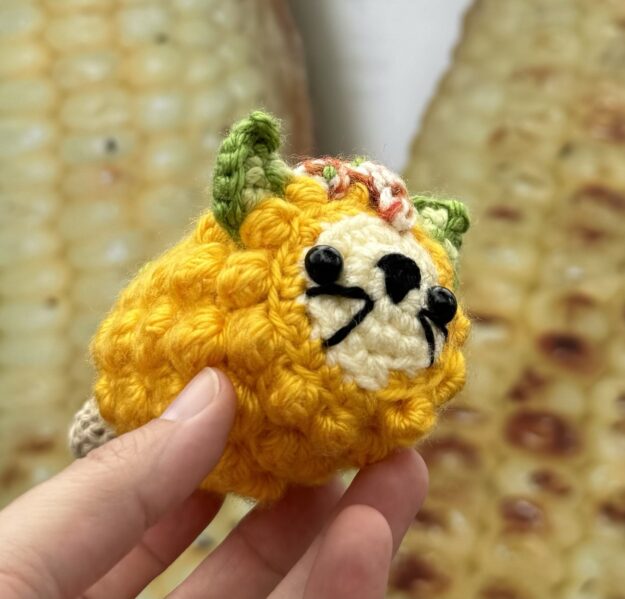
Elote Cat – Corn Cat Crochet Pattern
$3.00 Tax calculated at checkout
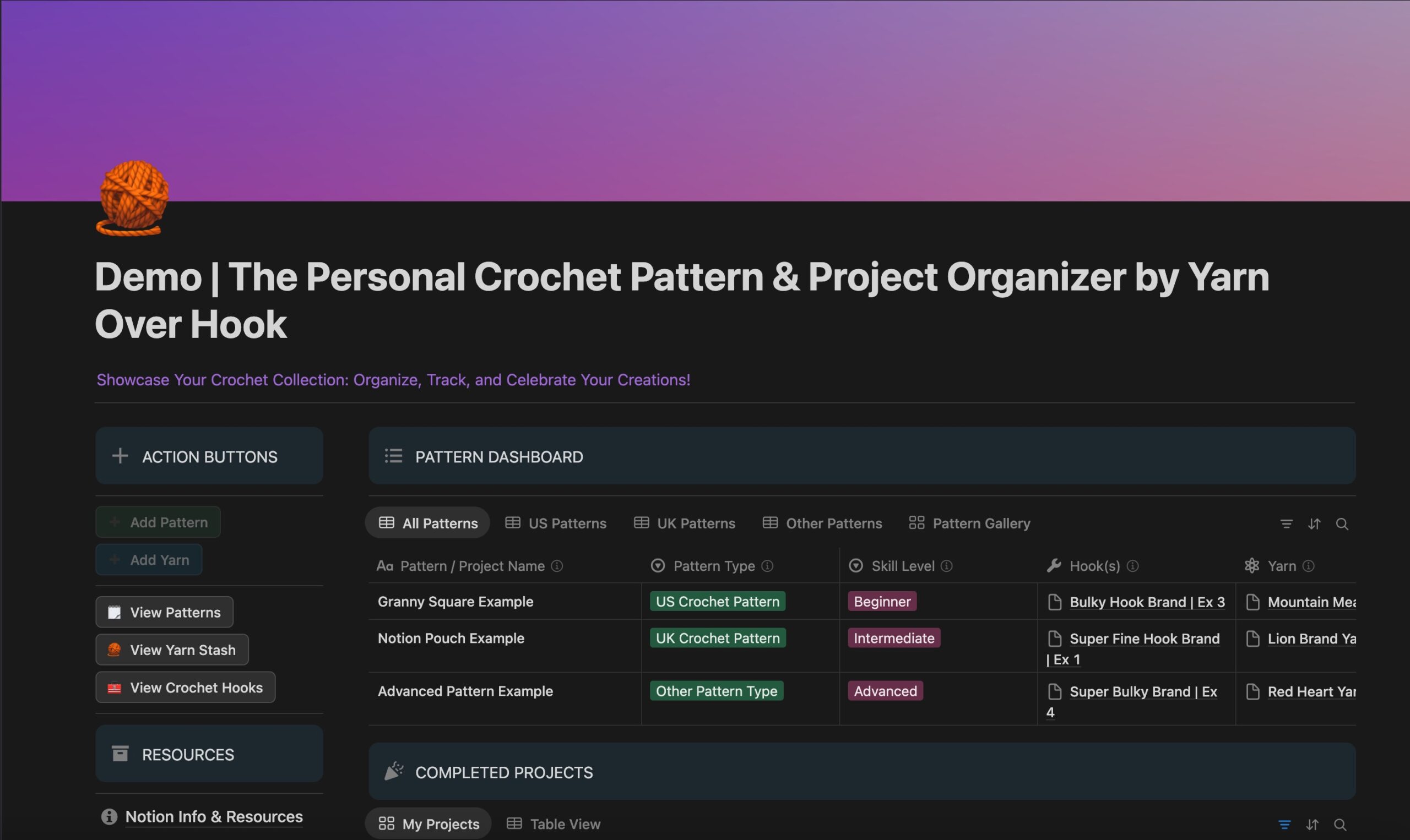
Yarn Over Hook Personal Crochet Pattern & Project Organizer for Notion
$0.00
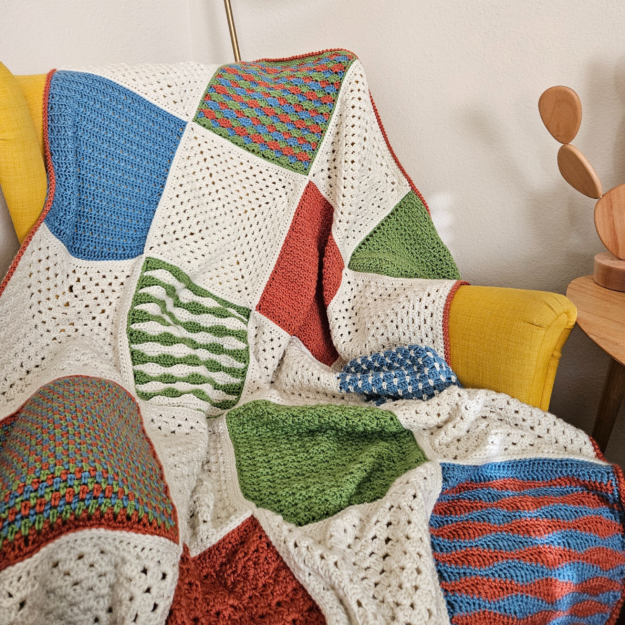
Warm Beginnings Blanket | 2026 NYNB
$4.50 Tax calculated at checkout
Crochet is Community
Join the global crochet community you didn’t know you needed.
Crochet, community, and connection — all in one place! Free to join. Made for crocheters of every level.
Our Promise
- We put community first in every decision.
- We create original, authentic content made by crocheters, for crocheters.
- We aim to inspire and educate through every touchpoint.
Are You a Crochet Designer or Maker?
Share your work with a global audience in our curated, AI-free marketplace. Apply to sell your crochet patterns and maker resources and grow your creative business.
Get the Newsletter